Comprehending the Value of Quality Repiping Services for Lasting Plumbing Solutions
Quality repiping solutions play an important role in keeping a home's pipes system. They deal with problems like leaks and corrosion while boosting performance and toughness. Homeowners typically ignore the long-term benefits of expert repiping. By comprehending the indications that indicate a requirement for repiping, one can make educated decisions. Exploring the different facets of repiping can disclose necessary understandings that might impact future plumbing investments. What factors should be considered when picking repiping services?
Indicators You Required Repiping
Typically, home owners may overlook refined indications that their pipes system needs repiping - Repipe Specialists. Among one of the most usual signs is constant leaks or water spots on walls and ceilings, suggesting aging pipes that might no longer be reputable. Furthermore, if water pressure ends up being inconsistent, it can show rust or clogs within the pipes system. House owners should additionally be sharp to discoloration in tap water, which might indicate rust or contaminants from weakening pipelines. Unpleasant odors originating from the plumbing can further recommend underlying issues. Another important aspect is the age of the plumbing system; homes constructed over half a century earlier usually use obsolete materials vulnerable to failing. If multiple components experience issues at the same time, it is a solid sign that repiping may be essential. Identifying these indicators can help house owners address pipes problems before they escalate into more significant issues
Advantages of Expert Repiping Services
Attending to the indications that show a demand for repiping can lead home owners to ponder the advantages of expert repiping services. One considerable advantage is the guarantee of high-grade craftsmanship. Experts possess the proficiency to determine underlying pipes issues, making sure a detailed option instead of a short-lived fix. Furthermore, specialist solutions commonly include service warranties, supplying homeowners assurance regarding future repairs.

Eventually, purchasing specialist repiping services can boost a home's plumbing system, causing enhanced water quality and a decrease in future plumbing concerns. Houston Repiping.
Choosing the Right Materials for Repiping
When choosing materials for repiping, property owners typically evaluate the benefits of copper versus PEX. Cost factors to consider play a significant function in the decision-making process, together with elements connected to long life and durability. Understanding these aspects can help assure a lasting and effective repiping project.
Copper vs. PEX Comparison
Selecting the best materials for repiping is vital, as it can considerably influence the durability and effectiveness of a plumbing system. When comparing copper and PEX, both materials offer one-of-a-kind benefits. Copper pipelines are known for their durability, resistance to rust, and capacity to stand up to high temperatures. They also have a lengthy lifespan, commonly exceeding 50 years. Copper can be a lot more costly and needs soldering for installation, which may enhance labor costs.
On the other hand, PEX (cross-linked polyethylene) is light-weight, versatile, and much easier to mount, commonly resulting in lower labor costs. PEX is immune to range and chlorine, and it doesn't corrode. Eventually, the choice between copper and PEX depends upon details plumbing demands and preferences for resilience and installation techniques.
Cost Factors to consider
Expense factors to consider play a necessary role in the decision-making procedure for repiping tasks. Homeowners have to examine different product choices, as each features unique rate points and installment costs. Copper, known for its durability, commonly sustains higher costs due to material and labor requirements. Alternatively, PEX supplies an affordable alternative with less complicated installment, usually reducing labor expenses. It's imperative for homeowners to evaluate not only the preliminary investment however also prospective long-lasting savings in upkeep and repair services. Furthermore, local building ordinance and policies might affect product selections, influencing overall budget. Because of this, a thorough comparison of product prices, installation complexities, and future effects is essential for picking the most ideal alternative for repiping needs.
Longevity and Sturdiness Variables
Selecting the best materials for repiping is important, as the longevity and sturdiness of the pipes system straight influence the general effectiveness and maintenance costs. Common materials consist of copper, PEX, and CPVC, each offering unique advantages. Copper is renowned for its durability and resistance to corrosion, while PEX is flexible, resistant to cold, and much less vulnerable to leaks, making it ideal for different installments. CPVC, on the other hand, is cost-efficient and immune to chemicals yet may not hold up against high temperature levels along with copper. Ultimately, the selection of product should take into consideration aspects such as water top quality, regional climate, and specific pipes needs. An educated decision can greatly improve the life expectancy of the pipes system, leading to less repair work and reduced long-lasting expenses.
The Repiping Refine Explained
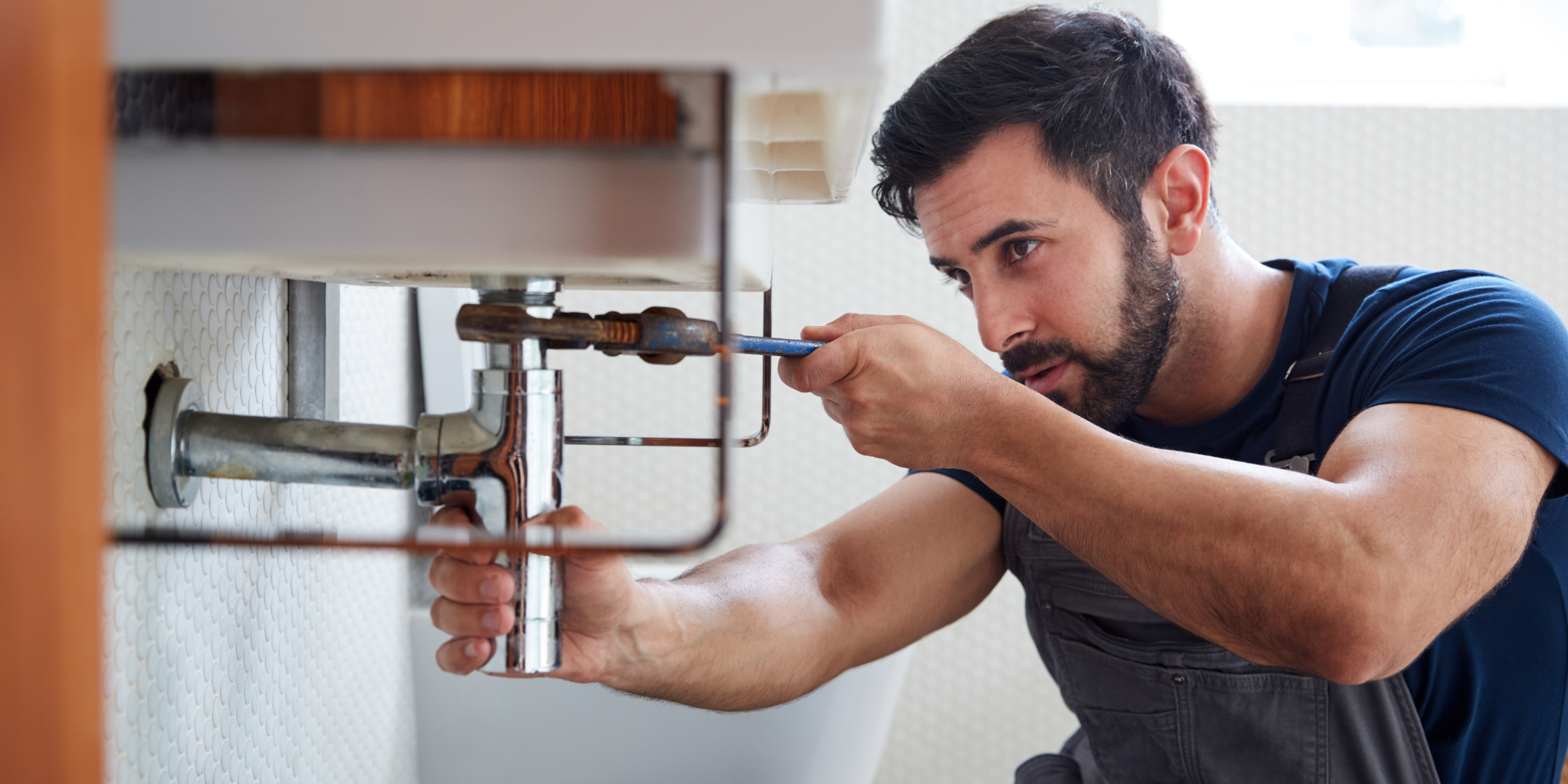
When a house owner determines to repipe their residential or commercial property, understanding the process can aid minimize issues and ensure a smoother experience. The repiping process typically begins with an extensive evaluation, allowing experts to evaluate the existing plumbing system's problem and determine locations needing interest. Following this evaluation, the group discusses the very best products link and methods suited for the home.
Cost Factors To Consider for Repiping
When thinking about repiping, it is crucial to analyze the initial investment needed for the project. Home owners ought to additionally evaluate the possible lasting financial savings that can emerge from lowered water expenses and fewer maintenance costs. Understanding these economic facets can aid in making an informed decision regarding whether to wage repiping.
First Financial Investment Analysis
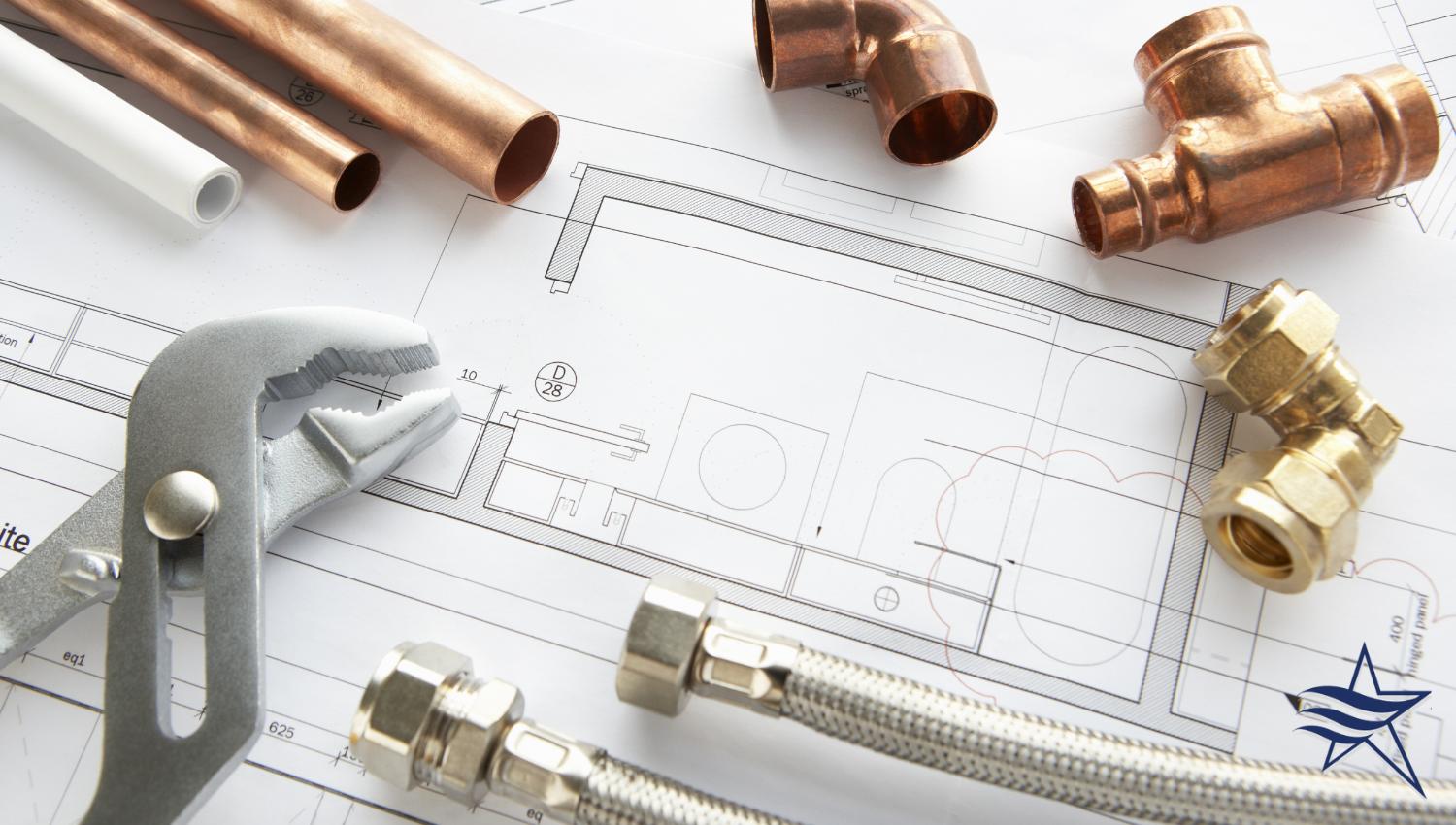
Repiping a home can stand for a considerable monetary commitment, demanding mindful evaluation of linked costs. Property owners must take into consideration numerous aspects that add to the total expenditure of repiping, consisting of product options, labor costs, and the intricacy of the plumbing system. Typical products such as copper, PEX, and PVC each featured various cost points and setup difficulties. In addition, labor costs can differ based upon the specialist's knowledge and local market prices. It is also important to make up any necessary authorizations or examinations, which can include in the preliminary investment. By extensively examining these price elements, home owners can make informed decisions and better plan for the financial effects of repiping their building.
Lasting Financial Savings Possible
Although the ahead of time prices of repiping can be significant, the long-lasting savings potential frequently makes it a rewarding financial investment for house owners. By changing outdated pipelines, homeowners can greatly lower the danger of leakages and water damages, which can cause costly repair work. New piping products are typically much more immune and durable to rust, reducing maintenance costs with time. Furthermore, contemporary pipes systems improve water circulation performance, possibly decreasing water bills. Power effectiveness might likewise boost, leading to reduced heating expenses for warm water. Inevitably, while the first cost might be high, the long life and reliability of quality repiping solutions can result in economic cost savings and assurance for home owners in the lengthy run.
Maintaining Your New Plumbing System
To guarantee the longevity and efficiency of a newly installed plumbing system, routine maintenance is necessary. Property owners should schedule regular assessments to recognize potential problems before they rise. This includes checking for leaks, rust, and clogs, which can compromise the system's integrity.
Furthermore, flushing the system occasionally aids eliminate sediment buildup, advertising optimal water circulation. It is additionally advisable to keep track of water stress, as too much stress can emphasize pipelines and fittings, causing premature failing.
Using high-quality fixtures and elements can enhance resilience, yet they require focus. Property owners have to be vigilant about indicators of wear, such as uncommon noises or water discoloration.
Lastly, involving expert pipes services for upkeep Check This Out tasks ensures that any kind of required fixings are conducted with proficiency, ultimately safeguarding the investment in a new pipes system and advertising its effectiveness over the years.
Often Asked Questions
For how long Does a Typical Repiping Task Take to Total?
A typical repiping project normally takes between one to five days to complete, relying on the dimension of the building, intricacy of the pipes system, and the specific products utilized during the repiping procedure.
Will Repiping Affect My Water Stress?
Repiping can enhance water pressure by replacing old, corroded pipes that restrict flow. Houston Repipe Company. Nevertheless, sometimes, if not appropriately sized or mounted, it might briefly reduce water stress until changes are made
Can I Stay in My Home During Repiping?
Typically, home owners can stay in their residences throughout repiping, though interruptions might happen. It is a good idea to plan for momentary water blackouts and restriction access to certain locations to ensure safety and efficiency throughout the procedure.
Exist Service Warranties for Repiping Solutions?
Yes, numerous repiping services offer warranties that cover handiwork and materials. The specifics, including duration and protection have a peek here information, can vary by firm, so it is suggested to make inquiries directly for extensive details before continuing.
Just how Often Should I Consider Repiping My Home?
Home owners should consider repiping every 20 to 50 years, depending on pipeline water, material, and condition top quality. Regular assessments can assist identify problems, motivating repiping quicker if leakages, rust, or various other significant troubles occur.
Quality repiping services play an important function in preserving a home's plumbing system. Exploring the various aspects of repiping can disclose necessary insights that may influence future pipes financial investments. Selecting the appropriate products for repiping is necessary, as it can substantially impact the longevity and efficiency of a pipes system. Picking the best products for repiping is necessary, as the long life and durability of the plumbing system straight impact the overall efficiency and upkeep expenses. Home owners need to take into consideration various variables that contribute to the overall expenditure of repiping, consisting of material selections, labor costs, and the intricacy of the pipes system.